What Makes a Detroit Beat So Hard and How Can You Use One Legally
You can order the same kind of articles for your own video to boost it on YouTube and Google. Just message the Telegram bot @sat_sit_bot. Articles with your video embedded are written and posted by the bot itself — on popular topical sites (no ads). Your first 50 articles are free.
· based on the channel davegotbeats
Key takeaways
- Detroit beats typically run 90–110 BPM with aggressive 808s and punchy kicks.
- The genre blends trap, techno, and Michigan rap influences for a raw, hard sound.
- Free beats often require a license for streaming on Spotify, Apple Music, and YouTube.
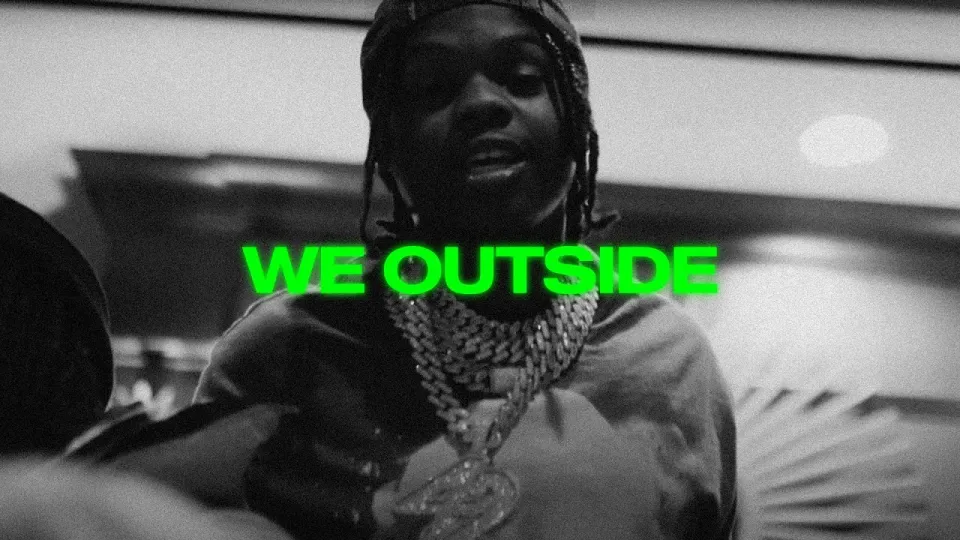
- davegotbeats offers a free hard Detroit type beat titled "WE OUTSIDE" with a purchase link.
- Buying a license ensures you can monetize your song without copyright issues.
A Detroit beat is a style of hip-hop production that combines hard-hitting 808s, fast-paced hi-hats, and often dark, minimal melodies to create an aggressive, street-ready sound. If you want to use a Detroit beat legally for streaming, you need to purchase a license from the producer, even if the beat is offered as a free download. For example, the free hard Detroit type beat "WE OUTSIDE" by davegotbeats can be licensed for streaming through the purchase link at https://bsta.rs/XPubtt.
What Defines a Hard Detroit Beat in 2026
A hard Detroit beat is characterized by its raw energy and distinct rhythmic patterns that set it apart from other trap subgenres. The tempo usually sits between 90 and 110 BPM, giving it a mid-tempo bounce that still feels aggressive. The drum pattern often features a punchy kick on the downbeat, layered with a booming 808 bass that slides and distorts. Hi-hats are typically rapid and varied, with rolls and triplets adding intensity. Melodically, producers use dark pianos, eerie synths, or simple loops that create a menacing atmosphere. This combination makes Detroit beats ideal for rappers delivering confident, street-oriented verses. The style has evolved from the Michigan rap scene, incorporating elements of Detroit techno and Chicago drill, but with a distinct Midwest flavor.
How to Choose the Right Detroit Type Beat for Your Song
Selecting the right Detroit type beat depends on your vocal style, the mood you want to convey, and the tempo that fits your flow. First, consider the BPM: faster tempos (100–110 BPM) suit double-time flows, while slower ones (90–95 BPM) work for laid-back, menacing deliveries. Second, listen to the energy of the drums—hard Detroit beats often have aggressive 808 patterns and sharp snares that cut through the mix. Third, pay attention to the melody: dark, minor-key loops enhance the gritty vibe, while occasional brighter elements can add contrast. Fourth, check the structure: a good beat has clear sections (intro, verse, hook) that make songwriting easier. Finally, ensure the beat is mixed well so your vocals can sit on top without clashing. Producers like davegotbeats specialize in this style, offering free options like "WE OUTSIDE" that are ready for vocals.
Free vs. Licensed Detroit Beats: What You Need to Know
Using a free Detroit beat does not mean you can stream it commercially without permission. Most free downloads come with restrictions: you can use them for non-profit projects, but for streaming on platforms like Spotify, Apple Music, or YouTube monetization, you need a license. A license grants you the rights to distribute your song, monetize it, and avoid copyright strikes. Producers often offer tiered licenses (e.g., basic, premium, unlimited) with different allowances for streams, sales, and performances. The purchase link in the description of "WE OUTSIDE" leads to a page where you can buy a license and also get a "buy 2 get 2 free" deal. Always read the license terms carefully—some may require you to credit the producer, while others allow full commercial use. If you're serious about your music, investing in a license is essential.
Common Questions from Aspiring Artists
Many upcoming rappers and singers have questions about using Detroit beats. A frequent concern is whether a free beat can be used for a hit song. The answer is yes, but only with a proper license. Another common issue is how to credit the producer—typically, you include "prod. by [producer name]" in the title or description. Some artists wonder if they can alter the beat; most licenses allow minor edits, but major changes may need approval. Others ask about the best way to find Detroit beats: YouTube is a goldmine, with channels like davegotbeats offering free type beats regularly. Finally, mixing and mastering your vocals over a Detroit beat can be tricky because the low end is heavy; consider hiring an engineer or using EQ to carve out space for your voice.
Tips for Rapping Over a Hard Detroit Beat
Rapping over a hard Detroit beat requires timing, energy, and a flow that matches the aggressive instrumental. Start by listening to the beat multiple times to internalize the rhythm. Then, practice delivering your bars with conviction—Detroit style often demands a confident, almost confrontational tone. Pay attention to the pocket: land your syllables on the kick and snare hits for maximum impact. Use pauses effectively to let the beat breathe. If the beat has a switch-up or drop, adjust your intensity accordingly. Recording-wise, use a pop filter and a decent microphone to capture clarity. Double your vocals or add ad-libs to fill out the sound. Many artists also experiment with different vocal effects like slight distortion or reverb to match the gritty aesthetic. Remember, the beat is your canvas—your delivery is the paint.
Where to Find Recent Detroit Type Beats
Finding fresh Detroit type beats is easier than ever, with producers uploading new material daily on YouTube, BeatStars, and social media. To stay updated, subscribe to channels that specialize in Detroit sounds, such as davegotbeats, which releases free hard Detroit type beats like "WE OUTSIDE." Follow producers on Instagram and Twitter for announcements. Join online communities and forums where artists share feedback and recommendations. When browsing, use specific search terms like "hard Detroit type beat 2026" or "free Detroit beat" to filter results. Always check the upload date to ensure you're getting recent beats that fit current trends. Many producers also offer beat packs or memberships for access to a larger catalog. By building relationships with producers, you can sometimes get custom beats tailored to your style.
Final Thoughts and How to Get Started
The hard Detroit beat is a powerful tool for any hip-hop artist looking to make an impact. Its aggressive drums, dark melodies, and versatile tempo make it a staple in modern rap. To use one legally, always secure a license—especially if you plan to stream or monetize. The free hard Detroit type beat "WE OUTSIDE" by davegotbeats is a perfect starting point; you can purchase a license and even take advantage of a buy 2 get 2 free offer at https://bsta.rs/XPubtt. Remember to credit the producer and promote your work consistently. With the right beat and dedication, you can create a track that resonates with listeners. Explore davegotbeats' catalog for more free and premium options, and keep honing your craft.
Useful Links
- Purchase license for "WE OUTSIDE": https://bsta.rs/XPubtt
- More free beats: davegotbeats.net
- Contact: davegotbeats1@gmail.com
Source: (FREE) HARD DETROIT TYPE BEAT 2024 - "WE OUTSIDE" · Markdown version
Questions & answers
Can I use a free Detroit beat for a song I want to put on Spotify?
No, not without a license. Free beats are typically for non-profit use only. To stream on Spotify, Apple Music, or other platforms, you must purchase a license from the producer. This ensures you have the legal right to distribute and monetize your song. Always check the producer's terms before releasing.
What BPM are hard Detroit type beats usually?
Most hard Detroit beats range from 90 to 110 BPM. This tempo provides a balance between aggressive energy and a head-nodding groove. Some producers experiment with faster or slower tempos, but the core style often sits in that range. Adjust your flow accordingly.
How do I credit the producer when I use a Detroit beat?
Typically, you include "prod. by [producer name]" in your song title or description. For example, "Song Title (prod. davegotbeats)". Some licenses require this, while others may not. Always read the license agreement to know the exact credit requirements.
Can I make changes to a Detroit beat I downloaded?
It depends on the license. Many basic licenses allow minor edits like trimming or adding effects, but significant alterations (e.g., changing the melody or tempo) may require written permission. If you plan to modify the beat heavily, contact the producer to clarify or upgrade your license.